

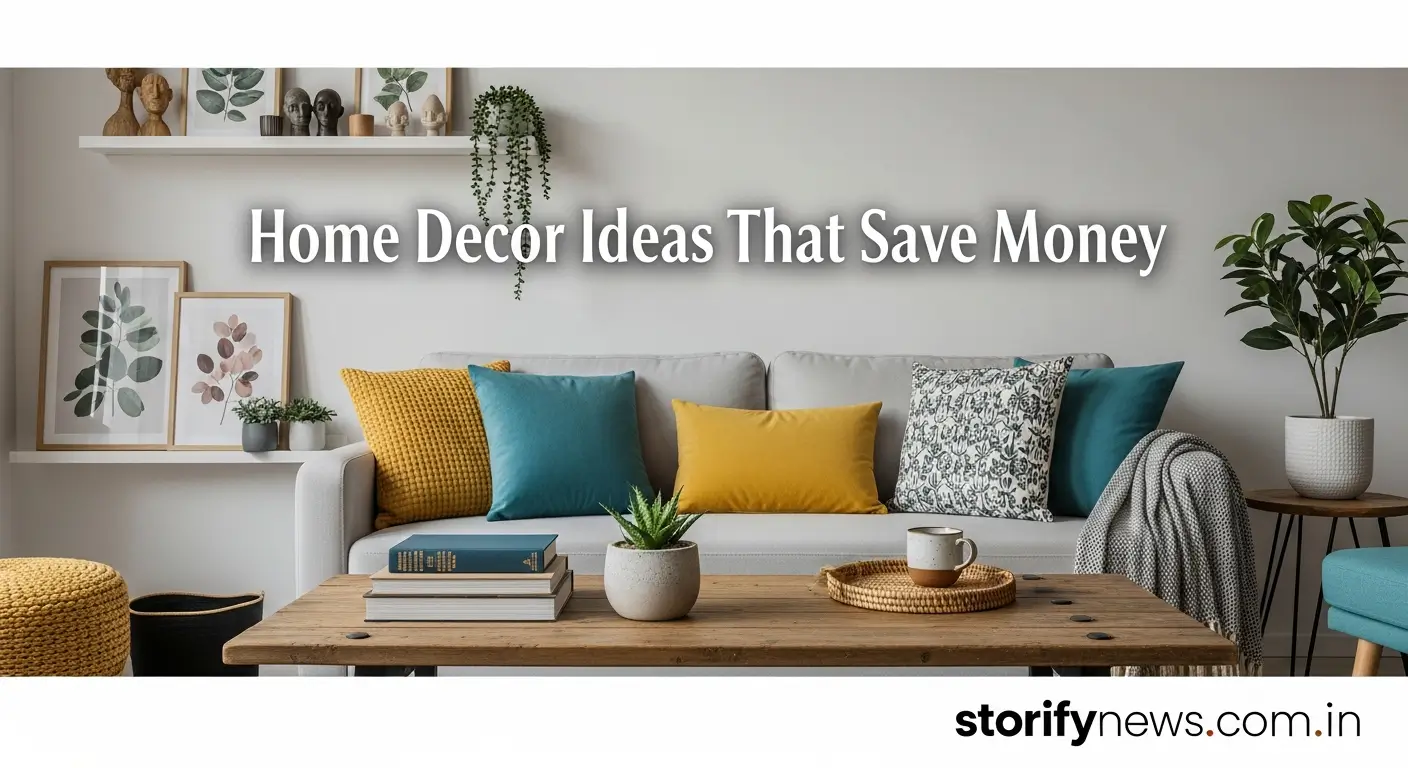
Creating a beautiful and functional home does not have to come with a high price tag. In 2025, home decor ideas that save money are becoming increasingly popular as people seek to combine style, comfort, and practicality without overspending. Budget-friendly decorating allows homeowners to personalize their space while making smart financial choices. By prioritizing creativity and resourcefulness, it is possible to transform any room into a visually appealing and cozy environment. Whether you are decorating a new home or refreshing an existing space, focusing on affordable decor solutions ensures that style and savings go hand in hand.
One of the key aspects of cost-effective home decor is planning. Setting a clear budget and identifying priorities helps prevent unnecessary spending and ensures that money is allocated to areas that truly matter. Many homeowners are now leveraging online tools, mood boards, and design apps to visualize their ideal space before purchasing items. This approach minimizes impulse buying and encourages thoughtful choices, allowing you to create a cohesive look without breaking the bank. With careful planning, simple DIY projects, and smart shopping strategies, budget-friendly home decor can achieve professional-level results at a fraction of the cost.
Creativity is also at the heart of affordable home decorating. Repurposing old furniture, utilizing thrift store finds, and exploring DIY projects can add personality and uniqueness to any space. Affordable decor is not about compromising style; it is about using innovative solutions to achieve a polished and comfortable home. By embracing money-saving home decor ideas, individuals can enjoy the satisfaction of a beautiful living space while keeping finances in check. These strategies make it clear that a stylish, inviting, and personalized home is entirely achievable on a budget.
Planning and Budgeting for Home Decor
Effective planning and budgeting are the foundation of creating a stylish home without overspending. Before purchasing furniture, decor items, or paint, it is essential to establish a clear budget that outlines how much you can allocate for each room or project. This prevents impulsive purchases and ensures that every dollar is spent wisely. Planning also involves assessing the current state of your home, identifying areas that need improvement, and determining which upgrades will have the most significant impact. By focusing on priorities, you can achieve a balanced blend of functionality and aesthetics while keeping costs manageable.
Another key aspect of budget-friendly home decor is researching and strategizing. Comparing prices, looking for sales, and exploring alternative options such as thrift stores or online marketplaces can significantly reduce expenses. Creating a visual plan using mood boards or design apps helps organize ideas and ensures that all decor elements complement each other. By carefully planning both the budget and the design, homeowners can achieve a cohesive and stylish look without financial strain, making home decor planning and budgeting a critical step in any affordable makeover.
Prioritizing Needs vs. Wants
When planning home decor on a budget, distinguishing between essential needs and aesthetic wants is crucial. Needs are items that serve a functional purpose, such as seating, storage, or lighting, while wants include decorative elements like artwork or accent pieces. By prioritizing necessities first, you ensure that your home remains practical and comfortable without overspending. Once essentials are in place, adding decorative touches can enhance the space gradually, allowing for flexibility and thoughtful decision-making. This approach also helps avoid impulse purchases that can disrupt your budget.
Understanding your priorities also enables better allocation of funds. For example, investing in a high-quality sofa or mattress may be more beneficial than splurging on expensive decor items that offer little functional value. By focusing on what truly enhances your living space, you create a home that is both stylish and practical while staying within your budget. Consistently evaluating what is needed versus what is desired ensures that every purchase contributes meaningfully to the overall design, making prioritizing needs versus wants a cornerstone of cost-effective home decor.
Cost-Effective Planning Strategies
Adopting strategic planning methods can help maximize style while minimizing expenses. Using tools such as budgeting apps, online design platforms, or spreadsheets allows you to track spending and visualize your decor plans. Creating mood boards or sample layouts can prevent mismatched purchases and wasted money. Additionally, researching materials, comparing prices across stores, and exploring DIY alternatives ensures that you make informed and budget-conscious choices.
Cost-effective planning also involves timing purchases strategically. Seasonal sales, clearance events, and second-hand marketplaces can provide high-quality items at reduced prices. Combining these strategies with a well-thought-out design plan enables homeowners to achieve a polished, cohesive look without exceeding their budget. By approaching home decor with intentionality and foresight, you can transform any space affordably, proving that planning strategically is key to successful money-saving home makeovers.
DIY Projects and Upcycling
DIY projects and upcycling are essential strategies for creating a stylish home while saving money. Instead of purchasing new furniture or decor items, homeowners can transform existing pieces with a bit of creativity and effort. Simple updates like repainting old cabinets, reupholstering chairs, or adding decorative knobs can give furniture a fresh, modern look without the high cost of replacement. Upcycling goes a step further by repurposing materials that might otherwise be discarded, turning them into functional or decorative items. By embracing DIY and upcycling, individuals can personalize their homes, express their creativity, and reduce spending, all while contributing to a more sustainable lifestyle.
These approaches are not only budget-friendly but also rewarding and customizable. DIY projects allow you to tailor items to fit your home’s specific style and space requirements, ensuring a unique and cohesive aesthetic. From creating wall art to crafting storage solutions from everyday objects, the possibilities are endless. Upcycling encourages innovative thinking and maximizes the use of available resources, proving that style does not have to come at a premium. By incorporating DIY and upcycling techniques, homeowners can achieve a visually appealing and functional home while keeping costs low.
Simple DIY Furniture Makeovers
Transforming old furniture is a practical way to save money while refreshing your home’s style. Painting outdated cabinets, sanding and staining wooden tables, or reupholstering chairs can dramatically change the look of a room without the expense of buying new pieces. Small details like decorative handles, trim, or stencils can also add a professional touch. Furniture makeovers are versatile and can be adapted to suit various styles, from modern to rustic, allowing homeowners to create custom pieces that match their vision.
DIY furniture projects are not only cost-effective but also environmentally friendly, reducing waste by giving old items a new life. They encourage creativity and problem-solving, making home improvement both fun and satisfying. By focusing on simple furniture makeovers, you can achieve a high-end appearance on a budget, proving that even minor updates can make a significant impact on your home’s overall aesthetic.
Repurposing Everyday Items
Everyday objects can be transformed into functional or decorative pieces, offering a creative, low-cost alternative to store-bought items. Mason jars can become storage containers, vases, or candle holders, while wooden crates can be turned into shelves or seating. Even pallets can be repurposed into tables, planters, or headboards. By thinking creatively, common household items can be given new purposes, adding charm and uniqueness to your home without significant expenses.
Repurposing items also encourages sustainability by reducing waste and promoting resourcefulness. This approach allows for highly personalized home decor that reflects your style and creativity. By integrating repurposed everyday items into your design, you can enhance both functionality and aesthetics, making your home feel fresh, innovative, and budget-friendly.
Affordable Wall and Floor Solutions
Transforming the look of your home doesn’t always require expensive renovations. Affordable wall and floor solutions provide an easy and cost-effective way to refresh any room while staying within budget. From budget-friendly paint options to creative wall treatments, homeowners can dramatically change the appearance and feel of a space without overspending. Simple techniques such as accent walls, peel-and-stick wallpapers, or textured paints can add depth, character, and style to a room. Similarly, floors can be upgraded affordably using rugs, vinyl tiles, or laminate flooring, offering both functionality and visual appeal. These cost-conscious solutions allow you to personalize your home and create a polished, inviting environment without the financial burden of traditional remodeling.
In addition to being budget-friendly, these options are versatile and easy to implement. DIY painting projects, wall decals, or removable wallpaper make it simple to experiment with patterns, colors, and textures. Affordable flooring solutions, like area rugs or interlocking tiles, can be swapped or rearranged to suit changing tastes or seasonal decor. By using low-cost wall and floor treatments, homeowners can maximize style and comfort while maintaining a practical budget. These strategies demonstrate that achieving a modern, stylish home doesn’t require high expenses, only creativity and smart choices.
Inexpensive Wall Treatments
Budget-friendly wall treatments are a simple way to refresh your home’s interior without breaking the bank. Options like peel-and-stick wallpaper, stencils, and removable decals provide the look of high-end design with minimal effort and cost. Painting techniques, such as color blocking or textured finishes, can also create depth and personality in any room. Accent walls offer a focal point that enhances the overall aesthetic while using fewer materials than repainting an entire room.
These solutions are not only affordable but also flexible. Peel-and-stick wallpapers and decals can be easily removed or updated, allowing homeowners to experiment with different styles over time. By focusing on inexpensive wall treatments, you can achieve a professional-looking space that is visually appealing and adaptable to changing decor trends.
Low-Cost Flooring Options
Updating floors doesn’t have to be expensive. Low-cost flooring solutions like area rugs, vinyl tiles, laminate, or interlocking floor mats offer both practicality and style. Rugs can add warmth, texture, and color while protecting existing floors. Vinyl and laminate options mimic the look of hardwood or tile at a fraction of the cost, making them ideal for budget-conscious renovations.
These flooring solutions are also easy to install and maintain, allowing homeowners to enhance their space without professional assistance. By investing in affordable flooring options, you can transform the appearance of a room, improve comfort, and add value to your home without significant financial outlay.
Lighting on a Budget
Lighting is one of the most impactful elements of home decor, and achieving a stylish look doesn’t require a large budget. Lighting on a budget focuses on using affordable and creative solutions to enhance ambiance, highlight key areas, and create a cozy, inviting atmosphere. Simple updates, like swapping outdated fixtures for modern designs or adding floor and table lamps, can dramatically change the look and feel of a room. String lights, LED strips, and DIY lampshades also provide decorative accents while maintaining affordability. By combining functionality with aesthetic appeal, budget-friendly lighting allows homeowners to illuminate their spaces effectively without overspending.
In addition to style, cost-effective lighting options often provide energy efficiency, reducing long-term electricity costs. LED bulbs, solar-powered lights, and energy-saving lamps not only brighten your home but also promote sustainability. Creative placement, layered lighting, and task-specific fixtures help maximize impact without requiring extensive renovation. By prioritizing affordable and efficient lighting solutions, homeowners can transform the ambiance of any space while keeping both installation and operational costs low, proving that thoughtful lighting enhances both comfort and style on a budget.
Creative Lighting Ideas
Innovative lighting can completely change the mood of a room without significant expense. DIY lamps, pendant lights made from recycled materials, and string lights can add personality and warmth. Layering light with floor lamps, table lamps, and wall sconces creates depth and highlights different areas of a space, enhancing overall decor.
Creative lighting is also an opportunity for personalization. By experimenting with colors, textures, and unique placements, you can design a space that feels custom and stylish. Using creative lighting ideas allows homeowners to showcase personality while keeping costs manageable.
Energy-Efficient Options
Energy-efficient lighting is both economical and environmentally friendly. LED bulbs, compact fluorescents, and solar-powered lights reduce electricity consumption and last longer than traditional incandescent bulbs. These options lower monthly energy bills while providing bright, high-quality illumination.
Strategic use of energy-efficient lighting, combined with natural light, can enhance a room’s ambiance and functionality. By investing in energy-saving lighting solutions, you achieve a stylish, well-lit home that supports sustainability and reduces long-term costs.
Furniture and Decor Shopping Hacks
Furnishing and decorating a home can quickly become expensive, but furniture and decor shopping hacks make it possible to achieve a stylish look on a budget. Smart shopping strategies, such as exploring thrift stores, garage sales, and online marketplaces, allow homeowners to find unique pieces at a fraction of the cost. Planning purchases around seasonal sales or clearance events can also help secure high-quality items for less. Additionally, combining second-hand finds with DIY updateslike painting or reupholstering, creates custom furniture and decor that looks expensive without the associated price tag. By leveraging these money-saving strategies, homeowners can decorate effectively while keeping finances under control.
Another key approach is comparing prices and researching products before making a purchase. Online platforms, social media marketplaces, and local classifieds offer countless options for budget-conscious shoppers. Reading reviews, measuring spaces, and checking return policies ensure that items meet both style and functional needs. Using creative shopping hacks such as bundling deals, loyalty discounts, or negotiating prices can further reduce costs. By combining resourcefulness with strategic planning, homeowners can furnish their homes efficiently and stylishly, proving that savvy shopping is essential to affordable home decor.
Thrift Stores and Second-Hand Finds
Thrift stores, consignment shops, and online second-hand marketplaces are treasure troves for unique and affordable furniture and decor. Items like vintage chairs, tables, and decorative pieces can be purchased at a fraction of retail prices. With minor refinishing or creative styling, second-hand finds can become standout elements in your home.
Shopping at thrift stores also encourages sustainability by giving items a second life. By focusing on second-hand and thrifted items, you can curate a stylish, one-of-a-kind space while minimizing costs and environmental impact.
Seasonal Sales and Online Deals
Timing purchases around sales and clearance events is an effective way to save money. Retailers often offer discounts during holidays or seasonal transitions, making it possible to acquire quality furniture and decor at reduced prices. Online deal platforms, subscription alerts, and coupon codes further enhance savings opportunities.
By strategically using seasonal sales and online deals, homeowners can access stylish, high-quality furnishings without exceeding their budget. Planning purchases around these opportunities ensures affordability while maintaining the desired aesthetic.
Maximizing Small Spaces
Maximizing small spaces is essential for creating a functional and stylish home without the need for expensive renovations. In compact living areas, smart furniture choices, efficient storage solutions, and thoughtful layout planning can make a significant difference. Multi-functional furniture, such as foldable tables, storage beds, and modular shelving, allows homeowners to use space more effectively while maintaining aesthetic appeal. By optimizing vertical space with tall shelves or wall-mounted storage, rooms feel larger and less cluttered. Strategic placement of furniture also ensures better flow and maximizes usable areas, proving that small space solutions can deliver big style on a budget.
Color schemes and decor also play a key role in enhancing small spaces. Light-colored walls, mirrors, and reflective surfaces create the illusion of openness, making rooms feel airy and inviting. Minimalist designs help reduce visual clutter, while clever use of textiles and accessories can add personality without overwhelming the space. By combining smart storage, multi-functional furniture, and thoughtful design, homeowners can transform even the smallest rooms into practical and visually appealing areas. These space-maximizing strategies make compact living both efficient and stylish.
Lighting and organization further enhance small spaces. Adequate task and ambient lighting help define zones, making a room feel more structured and spacious. Decluttering and maintaining organized storage solutions prevent overcrowding, ensuring that every inch serves a purpose. By using these small space decor techniques, individuals can achieve a functional, aesthetically pleasing home without costly renovations or large-scale remodeling. With creativity and strategic planning, small spaces can feel comfortable, organized, and stylish, demonstrating that effective design is possible on any budget.
Green and Sustainable Decor
In 2025, green and sustainable decor is becoming increasingly popular as homeowners look for ways to enhance their homes while staying environmentally conscious. Green and sustainable decor focuses on using eco-friendly materials, recycled items, and low-cost indoor plants to create a fresh, inviting space. Incorporating plants not only adds beauty but also improves air quality and brings a sense of calm and vitality to any room. Affordable greenery, such as succulents, spider plants, or pothos, requires minimal care and can be displayed creatively in pots, hanging baskets, or repurposed containers, providing both style and wellness benefits.
Sustainability in home decor also involves rethinking materials and items that are often discarded. Upcycled furniture, reclaimed wood, and repurposed household objects allow homeowners to decorate creatively while minimizing waste. Choosing eco-friendly paints, fabrics, and accessories further contributes to a healthier home environment. By integrating recycled and upcycled materials, individuals can achieve a unique, personalized aesthetic without overspending. These strategies not only support environmental responsibility but also demonstrate that cost-effective decor can be innovative, stylish, and functional.
Another key element of green decor is energy efficiency. Using energy-saving lighting, solar-powered accents, and materials with low environmental impact ensures that homes are not only beautiful but also sustainable. Pairing these solutions with indoor plants and thoughtfully sourced furniture results in spaces that feel balanced, harmonious, and eco-conscious. By embracing affordable and sustainable decor practices, homeowners can create a stylish, inviting, and environmentally responsible living space, proving that being eco-friendly and budget-conscious can go hand in hand.
Textiles and Accessories
Textiles and accessories are one of the most effective ways to refresh a home’s style without spending a fortune. Simple additions such as cushions, throws, curtains, and rugs can dramatically change the look and feel of a room, adding color, texture, and personality. Textiles and accessories allow homeowners to experiment with trends, patterns, and seasonal updates without committing to permanent changes. By layering fabrics and combining complementary colors, it’s possible to create a cohesive, inviting, and visually appealing space. Even small adjustments, like swapping pillow covers or adding a patterned throw, can breathe new life into a room while remaining budget-friendly.
Accessories are essential for personalizing a space and adding finishing touches. Items like decorative vases, wall art, lamps, and mirrors can make a room feel complete and thoughtfully styled. DIY options, such as handmade artwork or repurposed decor items, allow for further customization at minimal cost. By strategically placing affordable textiles and accessories, homeowners can enhance functionality, define zones, and create visual interest. These elements prove that even on a limited budget, it’s possible to achieve a polished and stylish home environment with creativity and thoughtful choices.
Cushions, Throws, and Curtains
Cushions, throws, and curtains are versatile and affordable ways to transform a room. By selecting fabrics with vibrant colors, interesting patterns, or textures, you can create focal points and add warmth to any space. Seasonal swaps, like lightweight summer fabrics or cozy winter throws, allow for easy updates throughout the year.
These textile elements are also functional, offering comfort and privacy while enhancing aesthetics. Strategically layering cushions or draping throws over furniture can create depth and personality. By focusing on cushions, throws, and curtains, homeowners can refresh interiors efficiently and economically, proving that small textile updates can make a big impact.
DIY Wall Art and Decorative Items
DIY wall art and decorative items provide personalized touches without breaking the budget. Repurposing materials, creating framed prints, or crafting small decorative pieces allows homeowners to reflect their unique style while saving money. Handmade decorations can also become conversation starters and highlight creativity.
These affordable decor items are easy to update or rearrange, giving rooms a dynamic and evolving look. By integrating DIY wall art and decorative accessories, homeowners can create a curated, stylish environment that feels both personal and cost-effective.
Frequently Asked Questions
How can I decorate my home without spending a lot?
You can use budget-friendly strategies like DIY projects, upcycling furniture, repurposing items, shopping at thrift stores, and using affordable textiles and accessories to enhance your home without overspending.
What are some easy DIY decor ideas?
Simple DIY ideas include painting furniture, creating wall art, making decorative items from jars or pallets, and updating cushions, throws, or curtains. These small projects can transform a space affordably.
How do I plan a budget-friendly home makeover?
Start by setting a clear budget, prioritizing needs versus wants, creating a mood board, and researching affordable materials and decor options. Planning helps prevent unnecessary spending and ensures cohesive design.
Can upcycling really save money on home decor?
Yes. Upcycling repurposes existing furniture or household items into functional or decorative pieces, reducing the need to buy new products while adding unique style to your home.
What are low-cost ways to refresh walls and floors?
Affordable options include painting, using peel-and-stick wallpaper, decals, textured paints, rugs, vinyl tiles, or laminate flooring. These methods enhance aesthetics without expensive renovations.
How can I find stylish furniture on a budget?
Shop at thrift stores, garage sales, online marketplaces, and clearance sections. Timing purchases around seasonal sales and using discounts can help you find quality furniture at lower prices.
What are some affordable lighting solutions?
Creative lighting options like string lights, DIY lamps, LED bulbs, and energy-efficient fixtures brighten spaces, create ambiance, and reduce electricity costs.
How can I maximize small spaces affordably?
Use multi-functional furniture, vertical storage, mirrors, light colors, and strategic layouts to make small spaces feel larger, organized, and stylish.
What are budget-friendly ways to add greenery?
Indoor plants like succulents, spider plants, or pothos are low-cost, easy to maintain, and enhance aesthetics and air quality. Using creative pots or repurposed containers adds charm.
How do textiles and accessories help save money on home decor?
Cushions, throws, rugs, curtains, and DIY decorative items can update a room’s look quickly and affordably, allowing seasonal or style changes without large investments.
Conclusion
Creating a beautiful and functional home doesn’t have to come with a hefty price tag. With careful planning, creativity, and smart purchasing decisions, it is entirely possible to achieve a stylish and comfortable living space while staying within budget. From budget-friendly wall and floor solutions to DIY furniture makeovers and clever accessory choices, homeowners have a wide array of tools to transform their homes without overspending. Planning and prioritizing needs over wants ensures that resources are allocated effectively, allowing essential areas to shine while decorative touches enhance the overall aesthetic.
Incorporating DIY projects, upcycling, and sustainable decor not only saves money but also adds uniqueness and personality to a home. Repurposed furniture, recycled materials, and eco-friendly accents demonstrate that innovation and style can coexist with affordability. Textiles, accessories, and small decorative updates further elevate interiors, providing color, texture, and warmth. By thoughtfully layering these elements, even compact spaces can feel open, inviting, and well-organized. Budget-conscious homeowners can experiment with trends, personalize designs, and continuously refresh their interiors, all while maintaining financial balance.
Finally, embracing smart shopping strategies, energy-efficient lighting, and versatile furniture solutions ensures long-term savings and functionality. Thrift store finds, seasonal sales, and online deals make it easy to access stylish furnishings at lower costs, while energy-efficient solutions reduce utility expenses. Combining creativity, planning, and resourcefulness allows homeowners to craft spaces that are visually appealing, functional, and sustainable. In essence, achieving a stylish home on a budget is not only possible but also rewarding, proving that thoughtful design, innovative solutions, and financial mindfulness can go hand in hand.
